Türkiye's Silent Revolution: Why Europe's Food Security Future Runs Through Anatolia

The Crisis No One Saw Coming — Until It Was Too Late
Europe thought it had solved food security. Vast supply chains stretched from South America to Southeast Asia, filling supermarket shelves with affordable abundance. Then came the shocks.
The war in Ukraine disrupted sunflower oil exports overnight. Climate anomalies hammered harvests from Spain to Poland. Energy costs made European domestic production increasingly uncompetitive. And quietly, almost invisibly, a question began circulating in the procurement offices of major European importers, retailers, and pharmaceutical chains:
Where do we go next?
The answer was there all along — just 3 hours by plane from Vienna, Frankfurt, or Amsterdam.

Türkiye: The Geography That Changes Everything
Look at a map. Türkiye sits at the precise intersection of three of the world's most critical agricultural zones: the Aegean, the Mediterranean, and the Black Sea basin. This is not coincidence — it is geology, climate, and millennia of agricultural tradition converging in one country.
- 3rd largest olive oil producer in the world, with Aegean groves cultivated for over 3,000 years
- Top 5 global exporter of dried figs, apricots, hazelnuts, pistachios, and sultana raisins
- One of Europe's closest major agricultural suppliers — FOB from Mersin, İzmir, or İstanbul ports reaches European destinations in 3–7 days
Compare that with shipping timelines from South America (18–25 days), Southeast Asia (22–30 days), or even North Africa (7–14 days with significant political risk exposure). The logistics math alone should be compelling. But logistics is just the beginning.

The Science Behind the Soil
European buyers increasingly ask not just where their products come from, but how they are grown and what they contain. This is where Türkiye's advantage becomes a genuine scientific story.
The Aegean and Mediterranean regions of Türkiye have a unique terroir — a combination of volcanic soil mineral content, temperature variance between day and night, and water quality — that produces measurably higher polyphenol concentrations in olive oils, higher allicin bioavailability in garlic, and superior volatile compound profiles in aromatic herbs like thyme, oregano, and rosemary.
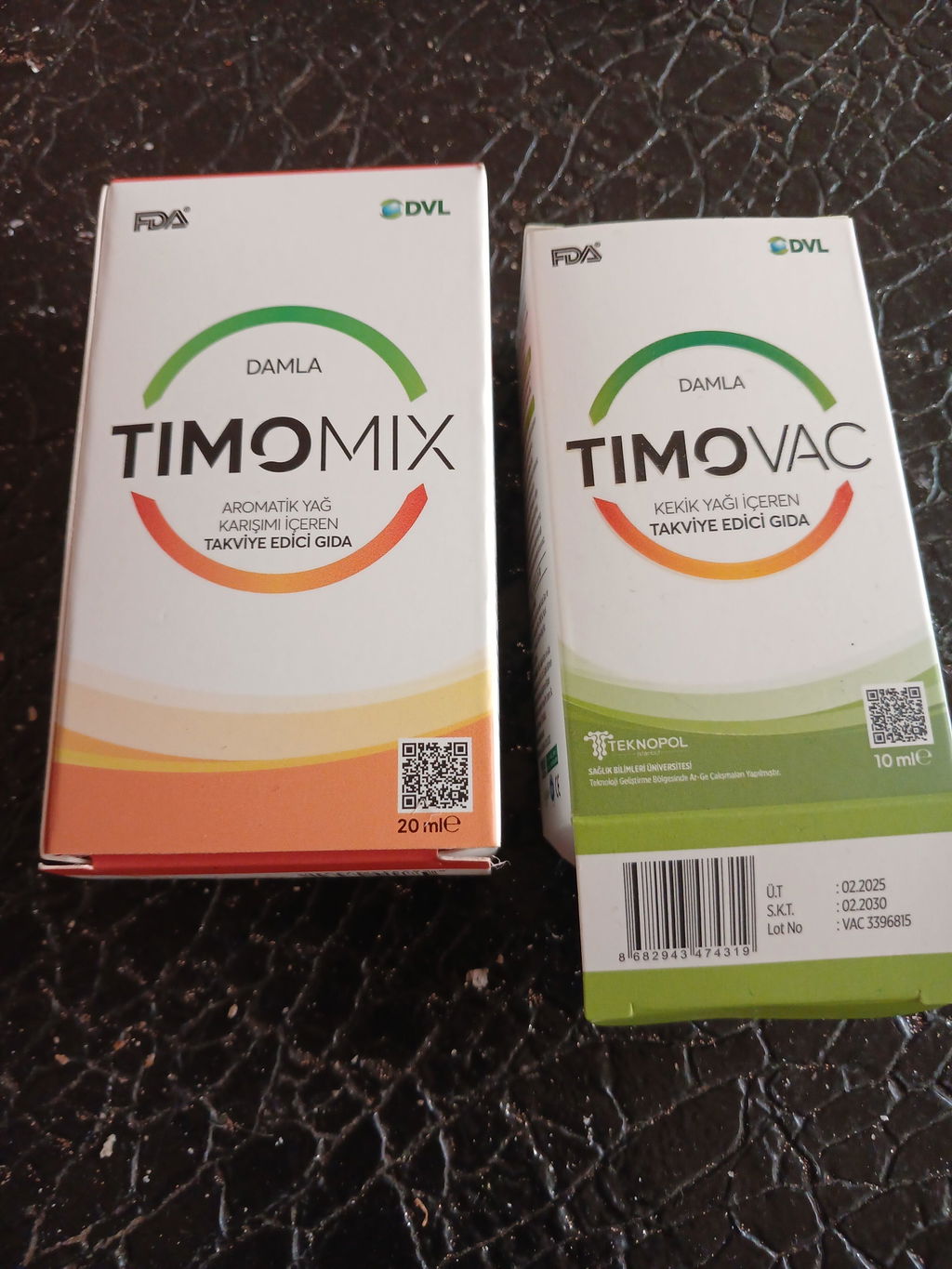
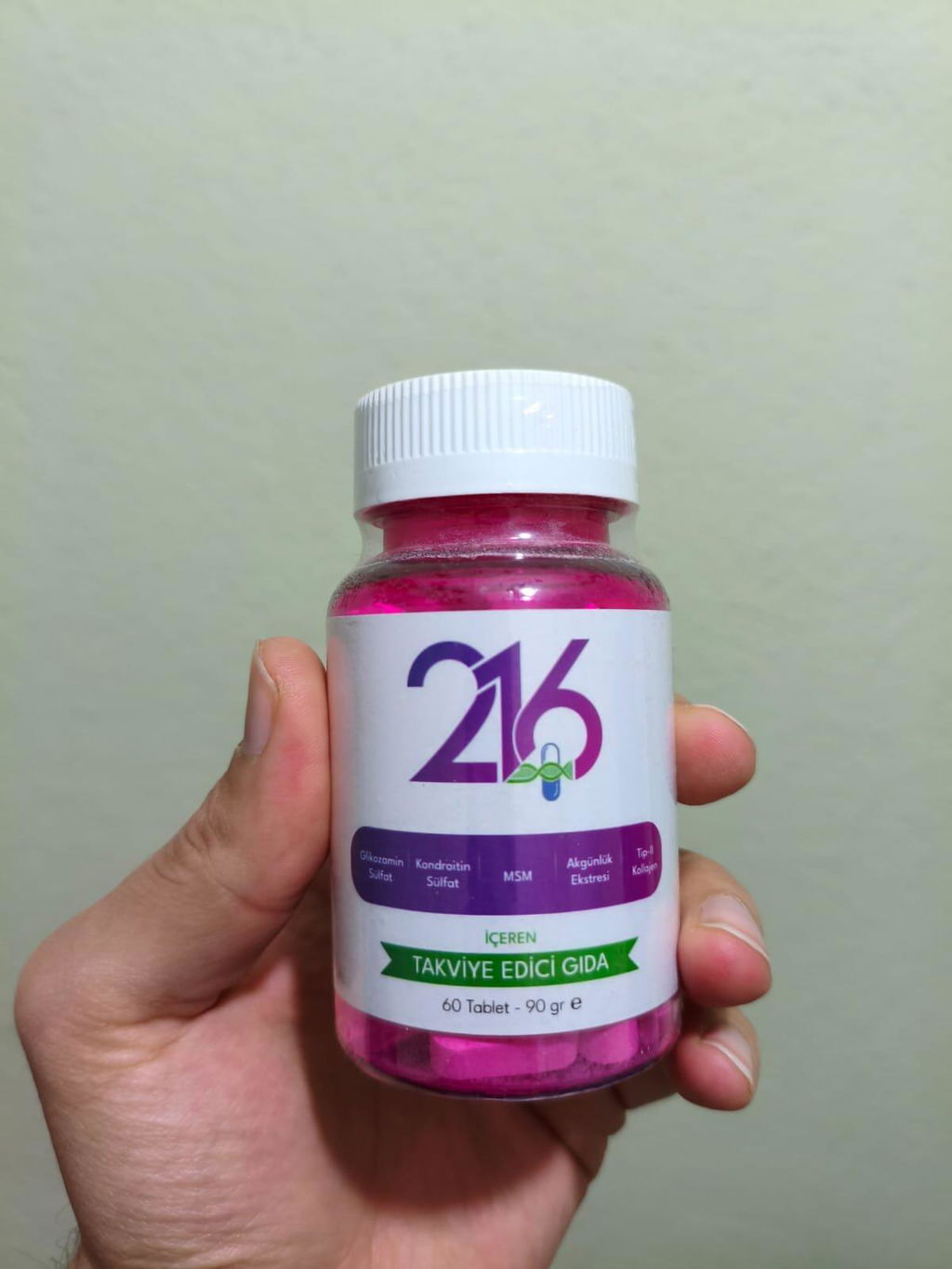
Peer-reviewed research published in the Journal of Food Chemistry and LWT - Food Science and Technology has documented that Aegean thyme (Thymus vulgaris) grown at altitude in Türkiye contains carvacrol concentrations up to 40% higher than commercially grown equivalents from lower-altitude regions. For nutraceutical applications — where active compound concentration directly determines product efficacy — this is not a marginal difference. It is a formulation advantage. See our 216 Natural Massage Cream and 216 Joint & Muscle Tablet as examples of formulations built on this principle.

Geopolitics, Diversification, and the New Procurement Mandate
The ESG and supply chain resilience movements have fundamentally changed how European procurement teams evaluate suppliers. Single-source dependency is now considered a governance risk, not just an operational one.
Major European retailers and pharmaceutical manufacturers have begun implementing "multi-source resilience" mandates: requiring that no single country of origin represent more than 30–40% of any critical ingredient category. This creates a structural, policy-driven demand for high-quality alternative suppliers.
Türkiye is uniquely positioned to fill this role:
- Geopolitically neutral: Türkiye maintains trade relationships across NATO, EU, GCC, and BRICS spheres simultaneously — one of the few countries that can credibly supply both European and Gulf markets without triggering sanctions exposure.
- Currency dynamics: The Turkish Lira environment has created significant cost competitiveness for euro and dollar-denominated buyers without compromising production quality.
- Regulatory alignment: Türkiye's Customs Union relationship with the EU means reduced technical barriers compared to truly third-country suppliers.

What European Buyers Are Actually Looking For — And Finding
The procurement conversations we hear most frequently from European importers, distributors, and private label brands center on five requirements:
- Certification Stack — ISO 9001:2015, ISO 22000:2018, FDA Registered Facility, GlobalG.A.P., EU Organic, USDA Organic, Halal.
- Private Label Capability — European brands want finished or semi-finished products they can put their identity on.
- Traceability — Farm-to-export chain of custody documentation, particularly post EU Deforestation Regulation (EUDR) framework.
- MOQ Flexibility — The craft and premium segment of European food retail is growing faster than the mass market.
- Responsiveness — 24–48 hour quote turnaround as a key differentiator.

The Window Is Open — But Not Forever
Here is the strategic reality: Türkiye's export sector is maturing rapidly. The suppliers who establish European distribution relationships now — before full market discovery — are locking in preferential pricing, exclusivity arrangements, and long-term supply agreements that will be significantly harder to negotiate in 3–5 years.
Several large German and Dutch import houses have already moved to secure multi-year supply agreements for premium Aegean olive oil and dried fruits. French nutraceutical manufacturers are actively evaluating Turkish botanical raw material suppliers as primary rather than secondary sources.
The question for European buyers is not whether to source from Türkiye. The question is whether to act before or after their competitors do.

Benjamin's Gardens: Where Certified Quality Meets Export Readiness
At Benjamin's Gardens, we have built our entire operation around the needs of the serious European and international buyer. Our product range — from Aegean extra virgin olive oil and premium dried fruits to nutraceutical supplements and topical wellness formulations — is produced and exported under a full international certification stack. Explore our flagship export products: 216 Natural Massage Cream, 216 Joint & Muscle Tablet, and the complete 216 Joint & Muscle Support Set.
We are not a marketplace aggregator. We are a direct supplier with integrated private label and white label programs, full traceability documentation, and a procurement team that responds within 24 business hours.
📧 info@benjaminsgardens.com
📱 WhatsApp: +90 530 588 18 21
🌐 benjaminsgardens.com/pages/wholesale-export
📸 @benjamins.gardens
Benjamin's Gardens exports premium agricultural products, nutraceutical supplements, and topical wellness formulations from Türkiye to the EU, GCC, USA, UK, and Southeast Asia. All products are produced under ISO 9001:2015, ISO 22000:2018, FDA Registered Facility, GlobalG.A.P., EU Organic, USDA Organic, and Halal certification.