Private Label Supplements from Turkey: The 2026 Opportunity for EU Brands
Why EU Supplement Brands Are Looking to Turkey in 2026
The European nutraceutical market is projected to exceed €25 billion by 2027, driven by post-pandemic health awareness, ageing demographics, and the mainstreaming of preventive healthcare. At the same time, EU brands face mounting pressure: rising raw material costs, tightening margins, and increasingly demanding consumers who expect both quality and transparency.
In this environment, Türkiye has emerged as one of the most strategically positioned private label supplement manufacturing hubs for EU brands — offering GMP-certified production, competitive pricing, fast lead times, and direct access to high-quality botanical and nutraceutical raw materials.
Here is why 2026 may be the most important year yet for EU brands to explore Turkish private label sourcing.

1. The Private Label Supplement Market: What’s Driving EU Demand
Several converging trends are making private label increasingly attractive for EU supplement brands and retailers:
- Retailer margin pressure: European pharmacy chains, health food retailers, and online marketplaces are aggressively expanding own-brand supplement lines to capture higher margins vs. branded products.
- Consumer trust shift: Studies show EU consumers increasingly trust retailer and specialist-brand private label products, particularly when quality claims (organic, non-GMO, allergen-free) are clearly communicated.
- Speed-to-market requirements: Brands need faster product development cycles. Turkey-based manufacturers with existing formulations and in-stock raw materials can compress development timelines to 8–14 weeks vs. 6+ months for custom Asian manufacturing.
- Regulatory proximity: Türkiye’s alignment with EU food safety frameworks (HACCP, ISO 22000) and its Customs Union status reduce compliance complexity for EU importers.
2. Türkiye’s Competitive Advantages in Supplement Manufacturing

Raw Material Access
Türkiye is one of the world’s leading producers of botanicals and medicinal plants used extensively in nutraceuticals:
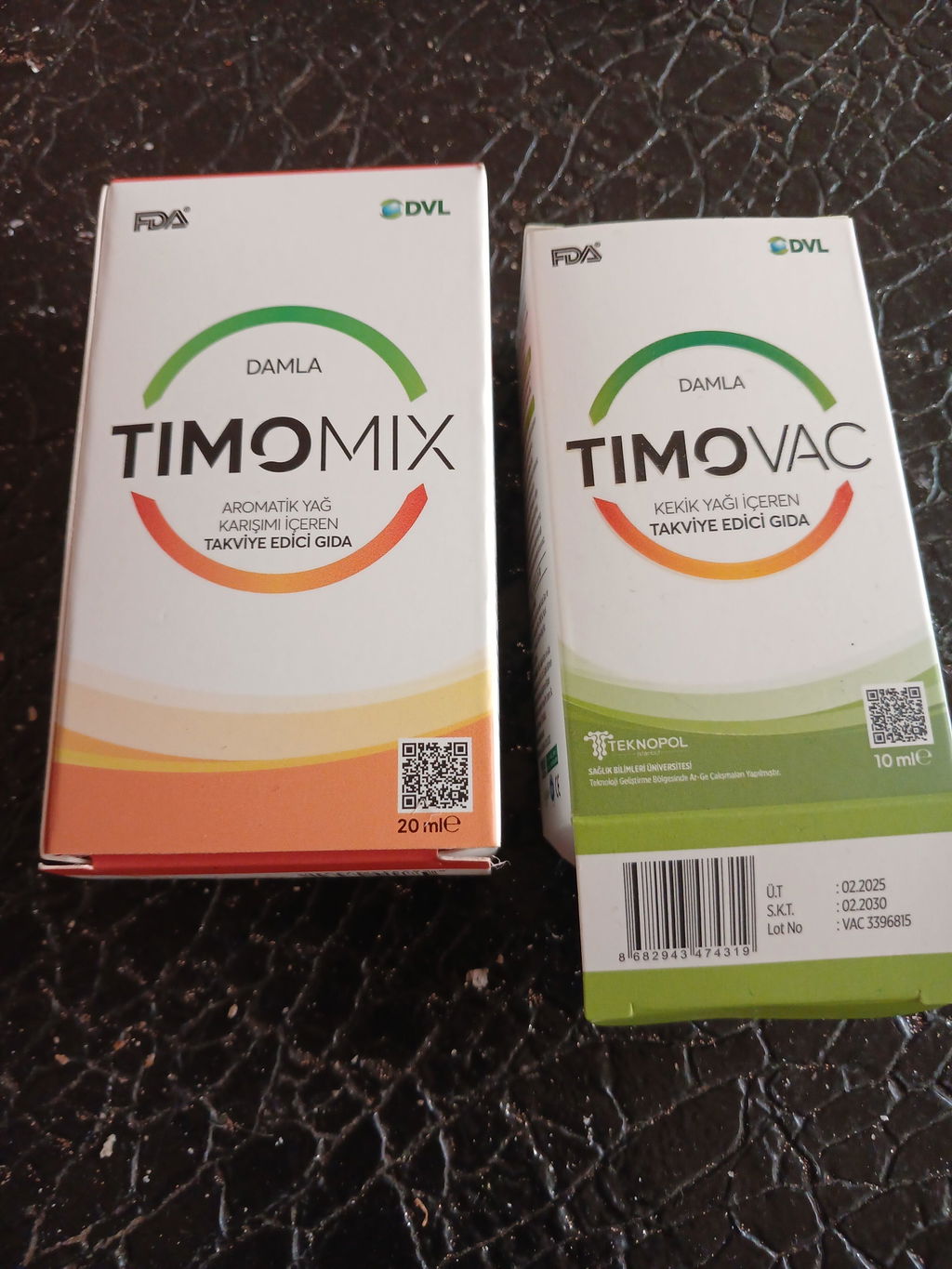
- Thyme (Thymus vulgaris): Türkiye supplies approximately 70% of global wild thyme — a key source of carvacrol and thymol, used in immune support formulations.
- Rose hip: Major producer for vitamin C-rich botanical extracts.
- Oregano, sage, linden: Significant global market share in standardised botanical extracts.
- Sesame, black cumin (Nigella sativa): Cold-pressed oils for soft-gel and liquid formulations.
Direct access to raw materials means Turkish manufacturers can offer vertical integration from plant to finished capsule — a significant cost and traceability advantage.
Manufacturing Standards
Türkiye’s supplement manufacturing sector has undergone significant investment in the past decade. Leading facilities now hold:
- ✅ ISO 9001 (Quality Management)
- ✅ ISO 22000 (Food Safety Management)
- ✅ GMP certification (EU-GMP or equivalent)
- ✅ Halal certification (critical for GCC and Southeast Asian markets)
- ✅ Organic certification (EU 2018/848 and/or USDA NOP)
- ✅ FDA facility registration (for US-bound products)
Cost Structure
Compared to Western European contract manufacturers, Turkish producers typically offer 30–50% lower unit costs on standard formulations (capsules, tablets, soft gels, sachets) at comparable quality tiers. This gap is driven by lower labour costs, local raw material sourcing, and a competitive domestic manufacturer base.
Geographic & Logistics Advantage
- Sea freight to Rotterdam: ~10 days from Mersin
- Air freight to Frankfurt or Amsterdam: ~4–6 hours
- Road freight to Bulgaria, Romania, Greece: 1–3 days
3. Product Categories Best Suited for Turkish Private Label
| Category | Turkish Advantage | Key Ingredients |
|---|---|---|
| Immune Support | ⭐⭐⭐⭐⭐ | Thyme extract, vitamin C (rose hip), zinc, propolis |
| Respiratory Health | ⭐⭐⭐⭐⭐ | Carvacrol, thymol, eucalyptus, mullein |
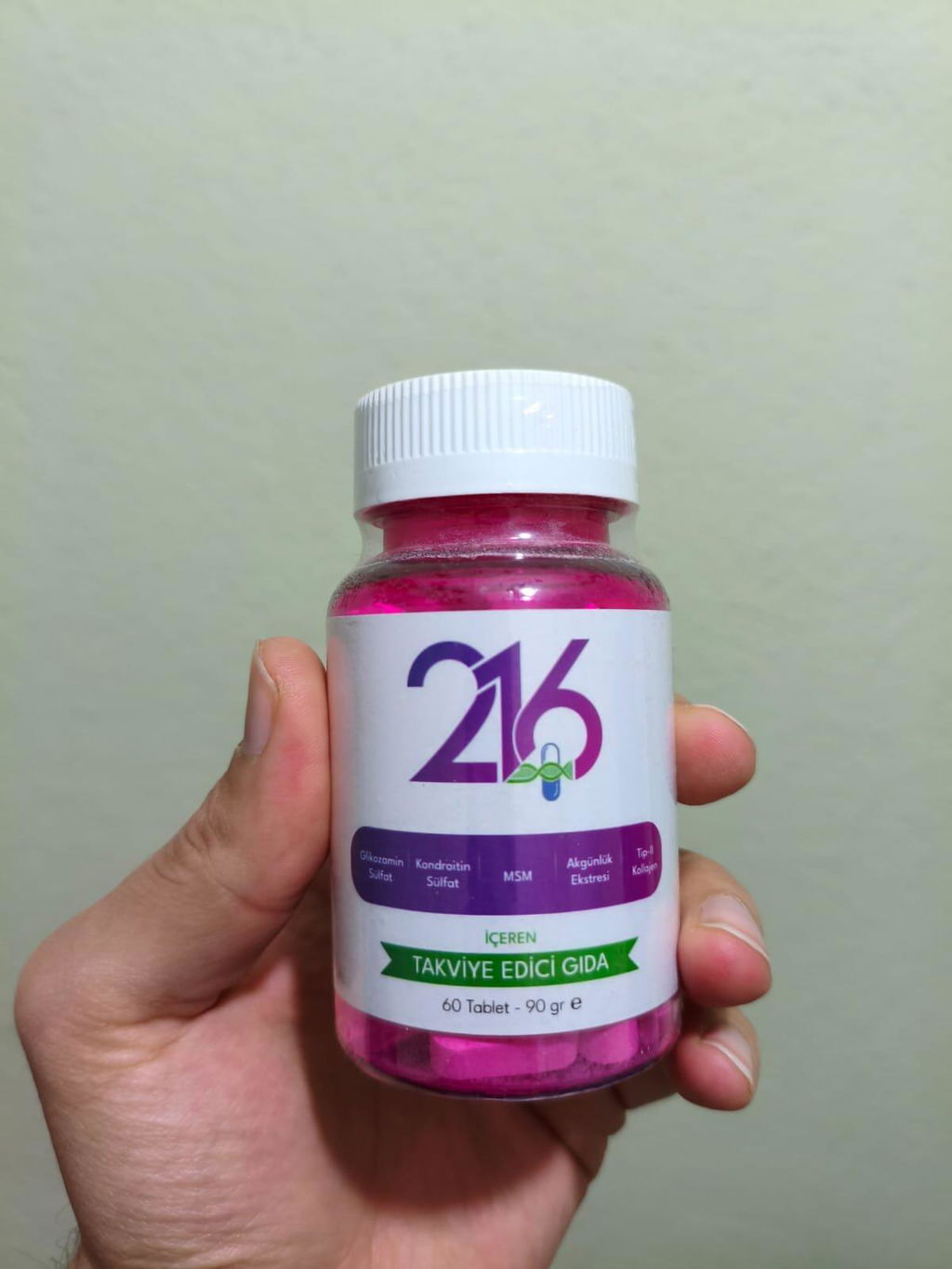
| Joint & Mobility | ⭐⭐⭐⭐ | Glucosamine, chondroitin, MSM, collagen |
| Antioxidants | ⭐⭐⭐⭐ | Grape seed, pomegranate, olive leaf extract, curcumin |
| Magnesium | ⭐⭐⭐⭐ | Glycinate, malate, citrate, oxide forms |
| Omega-3 / Fish Oil | ⭐⭐⭐ | Marine-sourced, soft gel encapsulation |
| Collagen | ⭐⭐⭐⭐ | Bovine, marine, hydrolysed peptides |
| Probiotics | ⭐⭐⭐ | Multi-strain, enteric-coated capsules |
4. EU Regulatory Requirements: What Turkish Manufacturers Must Comply With

EU Food Supplements Directive (2002/46/EC)
Sets permitted vitamins, minerals, and their maximum/minimum levels. Turkish manufacturers supplying EU-destined products must formulate within these limits. Always request formulation sign-off from an EU-qualified regulatory consultant.
Novel Food Regulation (EU 2015/2283)
Certain botanical extracts and newer ingredients (NMN, certain adaptogens) require Novel Food authorisation before they can be marketed in the EU. Verify ingredient status in the EU Novel Food Catalogue before finalising formulations.
Labelling Requirements
- Product name, net quantity, best-before date, storage conditions
- List of ingredients in descending order by weight
- Allergen declarations (bold formatting)
- Nutritional information per daily serving
- “Food supplement — do not exceed the recommended daily dose” statement
- Country-specific language requirements
Notification Requirements
Most EU member states require food supplement notification before market placement. Germany, France, and Italy have the strictest requirements — factor 4–12 weeks for notification processes in your launch timeline.
5. How to Evaluate a Turkish Private Label Supplement Manufacturer
- Request a facility audit or audit report — a recent third-party GMP audit (within 12 months) from a recognised body (SGS, Bureau Veritas, Intertek).
- Review Certificate of Analysis (CoA) samples — for ingredients and finished products. Check identity, purity, and microbiological results.
- Confirm minimum order quantities (MOQ) — Turkish manufacturers typically offer MOQs of 1,000–5,000 units per SKU for capsules/tablets.
- Assess formulation flexibility — can they adjust dosage, excipients, and delivery format (capsule vs. tablet vs. sachet) to your specification?
- Review lead times — standard: 4–8 weeks. Custom formulations: 10–16 weeks including stability testing.
- Verify export documentation capability — EUR.1, Certificate of Free Sale, Certificate of Origin, Health Certificate.
- Check label printing and artwork service — most manufacturers offer in-house label design and multi-language printing.
6. The Benjamin’s Gardens Private Label Programme

Benjamin’s Gardens is a Türkiye-based wellness brand and export partner offering private label supplement manufacturing for EU, GCC, and US brands. Our programme is built around direct raw material sourcing, GMP-certified production, and full regulatory support.
What We Offer
- ✅ Existing formulations: 50+ ready-to-label SKUs across immune, joint, cardiovascular, and cognitive health categories
- ✅ Custom formulation: R&D team available for bespoke product development
- ✅ Dosage forms: Capsules, tablets, soft gels, sachets, liquid drops
- ✅ Certifications: ISO 9001, ISO 22000, GMP, Halal, EU Organic available
- ✅ Label & packaging: Full design and print service, multi-language
- ✅ Regulatory support: EU notification documentation, CoA packages, ingredient dossiers
- ✅ MOQ: From 1,000 units on standard formulations
- ✅ Lead time: 4–8 weeks (standard) | 10–16 weeks (custom)
Frequently Asked Questions
Is it legal to import private label supplements from Turkey into the EU?
Yes. Türkiye’s Customs Union with the EU facilitates trade in processed goods including food supplements. Products must comply with EU food supplement regulations (2002/46/EC) and be notified to the relevant national authority before market placement. EUR.1 certificates can reduce applicable import duties.
What certifications should a Turkish supplement manufacturer have for EU export?
At minimum: GMP certification (EU-GMP or equivalent), ISO 22000, and HACCP compliance. Organic-certified products require a valid EU 2018/848 certificate. Always request a current Certificate of Analysis from an accredited laboratory for each product.
How long does it take to launch a private label supplement from Turkey?
For existing formulations with your branding: 4–8 weeks from artwork approval to delivery. For custom formulations requiring stability testing: 12–20 weeks. EU market notification adds 4–12 weeks depending on the member state.
What is the typical MOQ for private label supplements from Turkey?
Most manufacturers offer MOQs of 1,000–5,000 units per SKU for standard capsule and tablet formats. Benjamin’s Gardens offers MOQs from 1,000 units on standard formulations.
Can Turkish manufacturers produce supplements with EU organic certification?
Yes, provided the raw materials are certified under EU Regulation 2018/848 and the manufacturing facility holds a valid EU organic certificate. Request the transaction certificate for each batch.
Ready to Launch Your Private Label Line from Türkiye?
The window for brands to establish Turkish private label supply chains is now — before the market becomes as competitive as Chinese or Indian sourcing channels. Early movers gain formulation exclusivity, preferred pricing, and faster time-to-market.
Benjamin’s Gardens is accepting new private label partnership inquiries for 2026–2027. Whether you’re launching a first SKU or scaling an existing line, we can support your product from formulation through to EU-ready delivery.
📧 info@benjaminsgardens.com
📱 WhatsApp: +90 530 588 18 21
🌐 Wholesale & Export Page →
📸 @benjamins.gardens
We respond within 1 business day. Sample kits available for qualified brand partners.