Sensearth: Soil Data for Global Smart Agriculture

WHERE THE NEXT GENERATION OF FARMING BEGINS
The soil speaks.
Sensearth listens.
Bring traditional farming intuition and modern sensor data into the same decision. Better farming is not only about working harder. It is about knowing what to do, and when to do it.
THE SHORT ANSWER
What is Sensearth?
Sensearth is a smart agriculture sensor and data approach designed to make soil conditions more accessible, measurable, and actionable in the field. It connects traditional farming knowledge with modern measurement technology for clearer decisions around irrigation, root-zone monitoring, field comparison, and resource management.
When a farmer places a hand on the soil, they are listening to a story. They read its moisture, firmness, warmth, smell, and the response it may give the crop. This knowledge has been passed down through generations. Today, however, growers face larger questions: Why do two points in the same field behave differently? What changes in the root zone after irrigation? Should the next application follow the calendar or the signal coming from the soil?
Sensearth is designed to strengthen field experience with measurable data. The future of agriculture will not be built by erasing the past. It will be built by learning to read the soil more clearly.
The real question is not “What is the soil like?”
The real question is, “What decision is the soil asking us to make today?”
Why should soil be at the center of farming decisions?
The root zone is one of the most important working areas for crop performance and quality. Irrigation, fertilization, drainage, root development, and stress management are closely connected to actual soil conditions. Even within one field, areas can differ in texture, water retention, organic matter, compaction, temperature, and nutrient movement.
A single measurement point may not represent an entire field. A field-focused approach such as Sensearth helps growers view a plot as a living system with different locations and changing conditions over time.
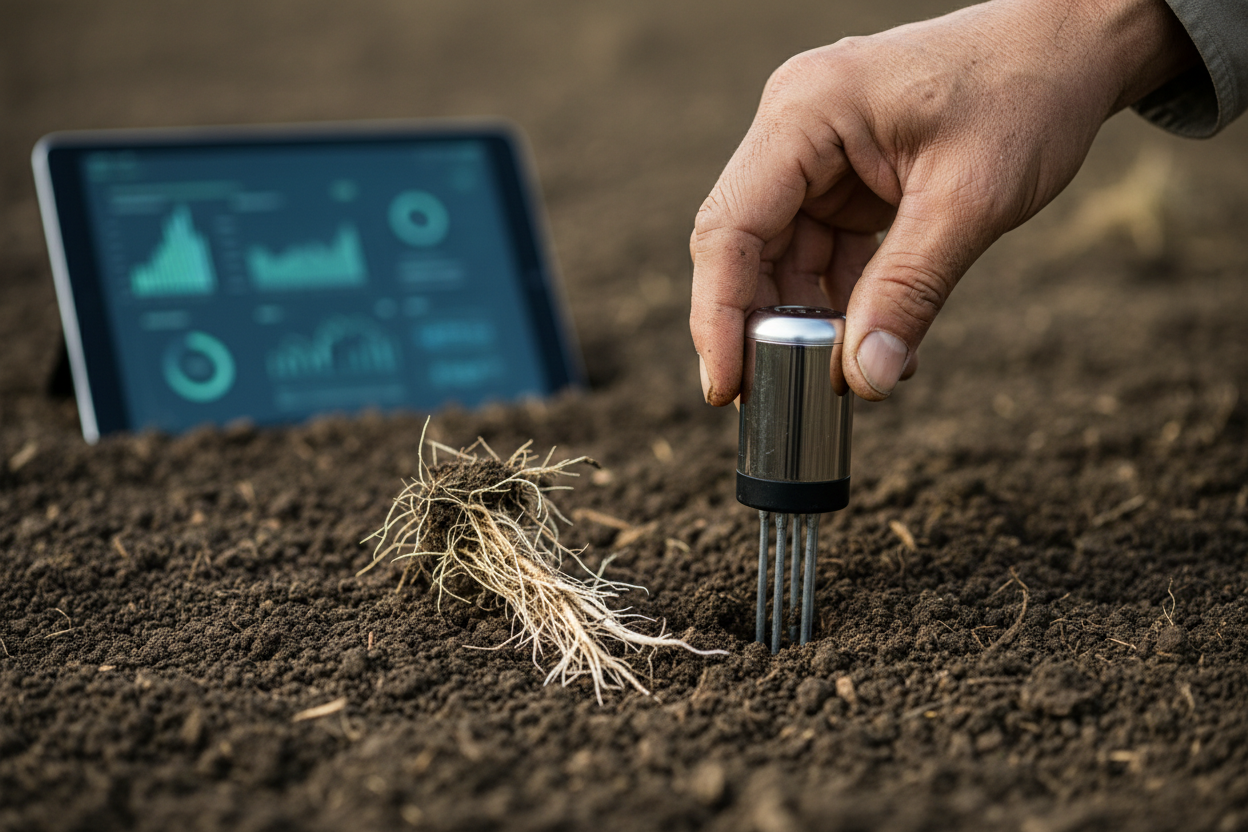
TRADITIONAL KNOWLEDGE + MODERN DATA
One feels the soil. The other measures it.
The strongest decision appears when these perspectives work side by side. Sensearth does not replace the grower's experience. It gives that experience a clearer compass.
What does Sensearth change in agriculture?
- Data instead of guesswork: Support field observations with measurable information.
- A field-by-field perspective: Make variation visible by comparing different areas.
- Tracking over time: Observe changes after irrigation, rainfall, or field applications.
- A shared language: Help growers, agronomists, field teams, and managers work from the same data.
- Resource management: Support more informed planning for water, fertilizer, labor, and time.
How is Sensearth used?
The process begins with the right question: irrigation timing, field differences, root-zone monitoring, or the effect of an application. Measurement points are planned, field data is collected, and results are reviewed in context.
- Create a measurement plan.
- Measure with Sensearth.
- Compare results by time, area, and application.
- Update field decisions using real observations.
- Measure again and continue the learning cycle.
Sensearth creates the most value when data is collected at the right time, compared carefully, and turned into an informed action.
THE DECISION POINT
Will the calendar decide, or will the soil?
Every field, day, and crop responds differently. Sensearth helps put comparable field data in your hands when the next decision matters.
The benefits of data-driven farming with Sensearth
| Need | Risk of a traditional approach | Data-supported approach |
|---|---|---|
| Irrigation planning | Following a fixed schedule and missing field variation | Reviewing measurements by time and field location |
| Fertilization | Using one uniform plan despite different soil conditions | Planning with the actual field context in mind |
| Problem detection | Waiting until visible symptoms appear | Trying to track root-zone changes earlier |
| Operations | Scattered verbal information between teams | A shared, recorded, comparable data set |
Who can benefit from Sensearth?
Sensearth can be considered by open-field growers, greenhouse operators, nurseries, landscape and golf-course managers, research teams, agricultural consultants, cooperatives, universities, agritech businesses, and agricultural input distributors. Comparable field data is especially valuable for operations managing multiple plots, growing areas, or customers.
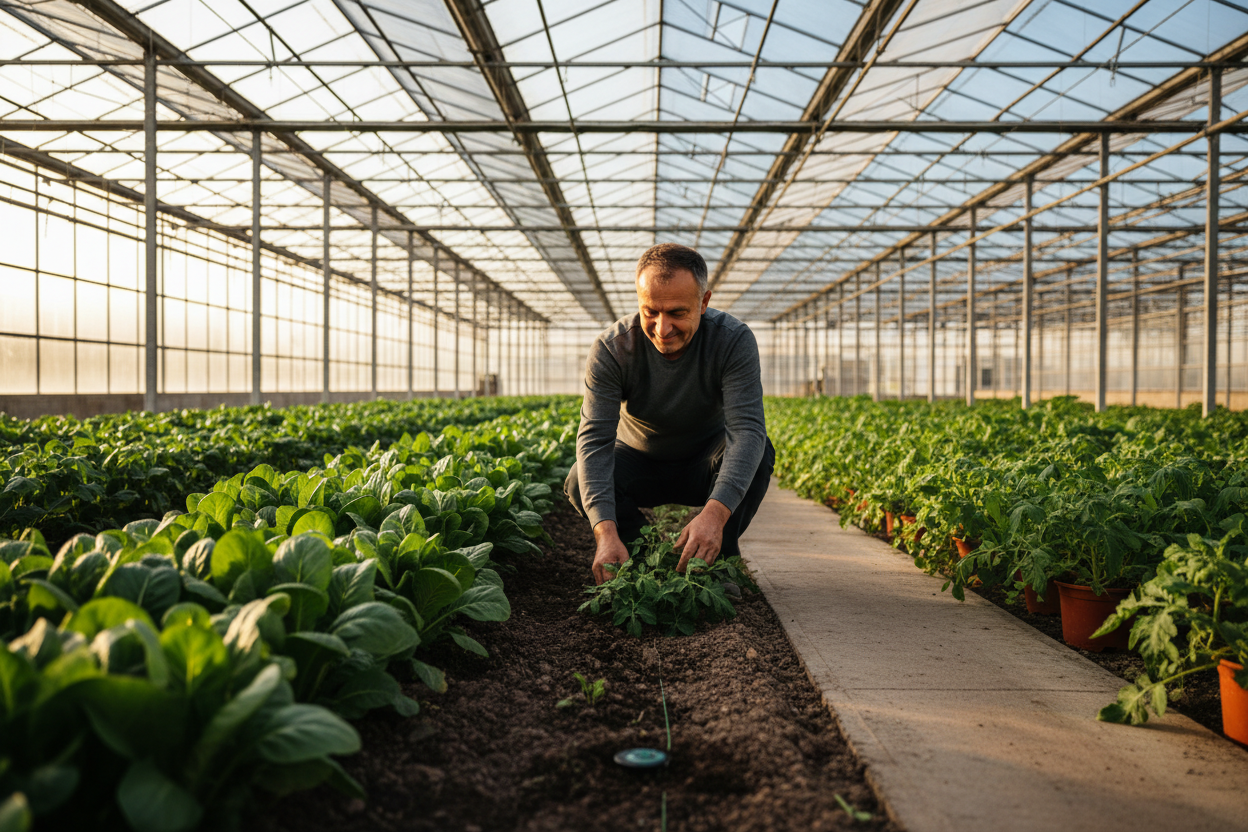
Sensearth and sustainable agriculture
Sustainability is not only about using fewer resources. It is about using every resource at the right time and in the right place. Soil monitoring can support informed decisions around water management, fertilization planning, field visits, and production records.
No sensor is a miracle solution on its own. Sensearth data should be interpreted together with crop observation, climate conditions, production history, agronomic expertise, and business goals. The strongest results come from using technology to strengthen field experience, not replace it.
Sensearth for wholesale and global agricultural exports
Sensearth is relevant to importers, wholesalers, distributors, greenhouse suppliers, agronomy companies, cooperatives, agricultural retailers, research partners, and technology integrators. For B2B buyers, the value is a field-ready soil data approach that can be introduced to growers, production groups, and agricultural businesses in different markets.
Wholesale and export partners can position Sensearth around soil monitoring, irrigation decision support, root-zone observation, field comparison, production documentation, resource efficiency, and traceability. A strong market entry strategy connects the technology to a local crop, local climate, local production model, and a clearly defined buyer outcome.
WHOLESALE BUYER CHECKLIST
A stronger export conversation starts with four questions.
- Which crops and growing systems will Sensearth support?
- Which field decision is the local customer trying to improve?
- Which distributor, agronomy, greenhouse, or cooperative network can reach that customer?
- How will measurements become a repeatable service, training program, or production workflow?
Global agricultural market coverage
Sensearth can be presented to agricultural markets across every major farming region. These country clusters are useful for wholesale prospecting, distributor research, localized landing pages, export campaigns, and international agritech partnerships. They are priority market groups, not a limit on where cooperation can be explored.
Europe and nearby agricultural markets
Türkiye, the United Kingdom, Ireland, France, Germany, Italy, Spain, Portugal, the Netherlands, Belgium, Luxembourg, Austria, Switzerland, Poland, Czechia, Slovakia, Hungary, Romania, Bulgaria, Greece, Croatia, Slovenia, Serbia, Bosnia and Herzegovina, Montenegro, North Macedonia, Albania, Kosovo, Ukraine, Moldova, Georgia, Armenia, Azerbaijan, Norway, Sweden, Denmark, Finland, Iceland, Estonia, Latvia, Lithuania, and Russia.
GCC, the Middle East, and Central Asia
Saudi Arabia, the United Arab Emirates, Qatar, Kuwait, Bahrain, Oman, Jordan, Iraq, Iran, Israel, Lebanon, Syria, Yemen, Kazakhstan, Uzbekistan, Turkmenistan, Kyrgyzstan, Tajikistan, and Afghanistan.
Africa and agricultural growth markets
Egypt, Morocco, Algeria, Tunisia, Libya, Sudan, South Africa, Kenya, Ethiopia, Tanzania, Uganda, Rwanda, Burundi, Nigeria, Ghana, Côte d’Ivoire, Senegal, Cameroon, the Democratic Republic of the Congo, Zambia, Zimbabwe, Mozambique, Angola, Namibia, Botswana, Mauritius, Madagascar, and Malawi.
South Asia, East Asia, and Southeast Asia
India, Pakistan, Bangladesh, Sri Lanka, Nepal, Bhutan, China, Japan, South Korea, Mongolia, Indonesia, Malaysia, Singapore, Thailand, Vietnam, the Philippines, Cambodia, Laos, Myanmar, and Brunei.
North America, Latin America, and the Caribbean
The United States, Canada, Mexico, Brazil, Argentina, Chile, Peru, Colombia, Ecuador, Bolivia, Paraguay, Uruguay, Venezuela, Costa Rica, Guatemala, Honduras, El Salvador, Nicaragua, Panama, Cuba, the Dominican Republic, and Jamaica.
Australia, New Zealand, and Pacific markets
Australia, New Zealand, Fiji, Papua New Guinea, and other Pacific agricultural markets.
For wholesale and export teams: Country-level localization should be adapted to local regulations, crop priorities, language, distribution structure, import requirements, and agronomic practice. Sensearth can be introduced as a technology conversation, a distributor opportunity, a grower education program, or a field-data service partnership.
Sensearth and the international future of agricultural technology
For agricultural businesses expanding from Türkiye into the European Union, the GCC, the United States, and other international markets, measurable processes are increasingly important. Production records, traceability, resource efficiency, and quality standardization matter to every grower with export ambitions.
By supporting consistent field data collection and team collaboration, Sensearth can become part of that transformation. For growers preparing to export, distributors, and agricultural technology partners, adaptability across climates, crops, and operating models matters as much as local ease of use.
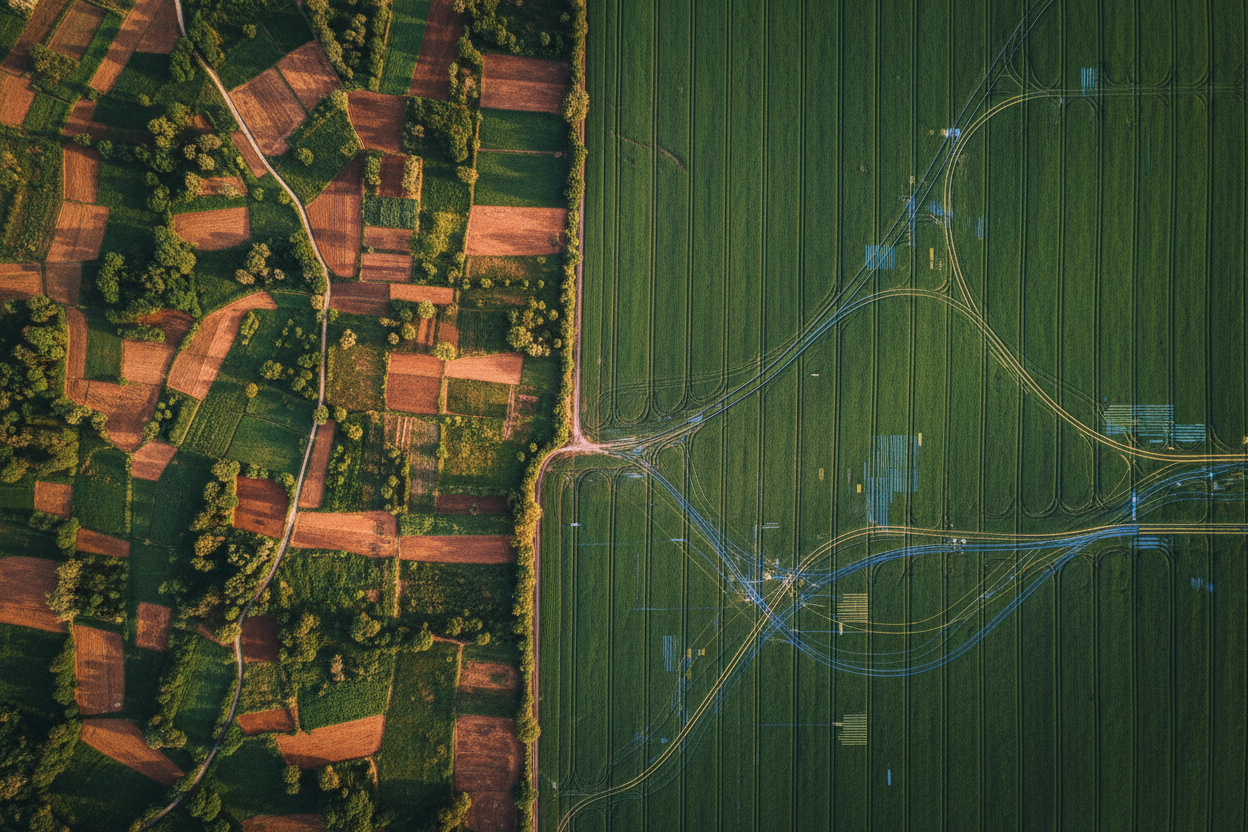
AGRICULTURAL TECHNOLOGY WITHOUT BORDERS
Do not let your field's story stop at the border.
Bring Sensearth into your product portfolio through B2B partnerships, distribution, and export opportunities. Talk with Benjamin’s Gardens about use cases, target markets, and international growth potential.
WhatsApp: +90 530 588 18 21
Email: info@benjaminsgardens.com
Instagram: @benjamins.gardens
Is your data-driven farming protocol complete without Sensearth?
Relying only on a calendar without seeing, measuring, and tracking changes in the soil can create blind spots, especially in variable weather and multi-plot operations. Sensearth is designed to strengthen the data layer of your production protocol. If you want to see more clearly, compare more accurately, and document your decisions, do not leave Sensearth outside the process.
THIS SEASON'S DECISION
Do not leave the data behind.
Tell us about the growing area, crop group, and use case you want to understand. Together, we can explore which decision Sensearth could strengthen in your operation.
Contact us about Sensearth →Frequently asked questions about Sensearth
What is Sensearth?
Sensearth is a smart agriculture sensor and data approach that helps measure soil conditions in the field and evaluate the results through an application experience.
Which growers can use Sensearth?
Sensearth can support open-field and greenhouse growers, nurseries, agricultural consultants, researchers, cooperatives, landscape businesses, and agricultural companies moving toward data-driven production.
Who can distribute Sensearth?
Potential partners include agricultural distributors, greenhouse suppliers, agronomy companies, cooperatives, agricultural retailers, importers, wholesalers, technology integrators, and organizations serving professional growers.
Which countries and regions are relevant for Sensearth exports?
Sensearth can be introduced across major agricultural regions, including Europe, Türkiye, the GCC, the Middle East, Africa, Central Asia, South Asia, East Asia, Southeast Asia, North America, Latin America, the Caribbean, Australia, New Zealand, and Pacific agricultural markets. Local market entry should be adapted to regulations, crops, language, and distribution structure.
Does Sensearth provide a complete fertilizer or irrigation prescription on its own?
Sensearth data should be used to strengthen the decision-support process. Final applications should be determined by considering the crop, soil, climate, production goals, and qualified agronomic judgment together.
Why should Sensearth data be monitored regularly?
Soil conditions can change with time, irrigation, rainfall, temperature, and field management. Regular monitoring helps reveal the direction of change instead of relying on a single snapshot.
Why is Sensearth valuable for exporters?
Traceability, standardization, resource management, and repeatable training matter to export-oriented businesses. Sensearth can support more consistent and comparable field records across production teams and growing areas.
How can I learn more about Sensearth wholesale or export opportunities?
You can contact Benjamin’s Gardens through WhatsApp, email, or Instagram.
Conclusion: The next step is bringing data into the field
Agricultural technology creates real value when complex information becomes a clear input for everyday decisions. Sensearth is a strong starting point for growers, distributors, wholesalers, and export partners who want to understand soil more closely, see differences between field areas, and make production more measurable.
Do not guess what your soil is telling you. Understand it better, then take that insight to the world. Contact Benjamin’s Gardens about Sensearth today.
Suggested hashtags:
#Sensearth #SmartAgriculture #AgriculturalTechnology #SoilAnalysis #SoilSensor #DataDrivenFarming #PrecisionAgriculture #SmartFarming #AgriTech #SoilHealth #SoilMonitoring #SustainableAgriculture #GreenhouseTechnology #AgricultureExport #TürkiyeAgriculture #B2BAgriculture #WholesaleAgriculture #GlobalAgriculture #InternationalAgritech #DigitalAgriculture #ClimateSmartAgriculture #FarmData #AgricultureDistributor #AgritechExport #RootZoneMonitoring