Argentina’s Lithium Supply: Production, Capacity Signals and Global Mineral Opportunities
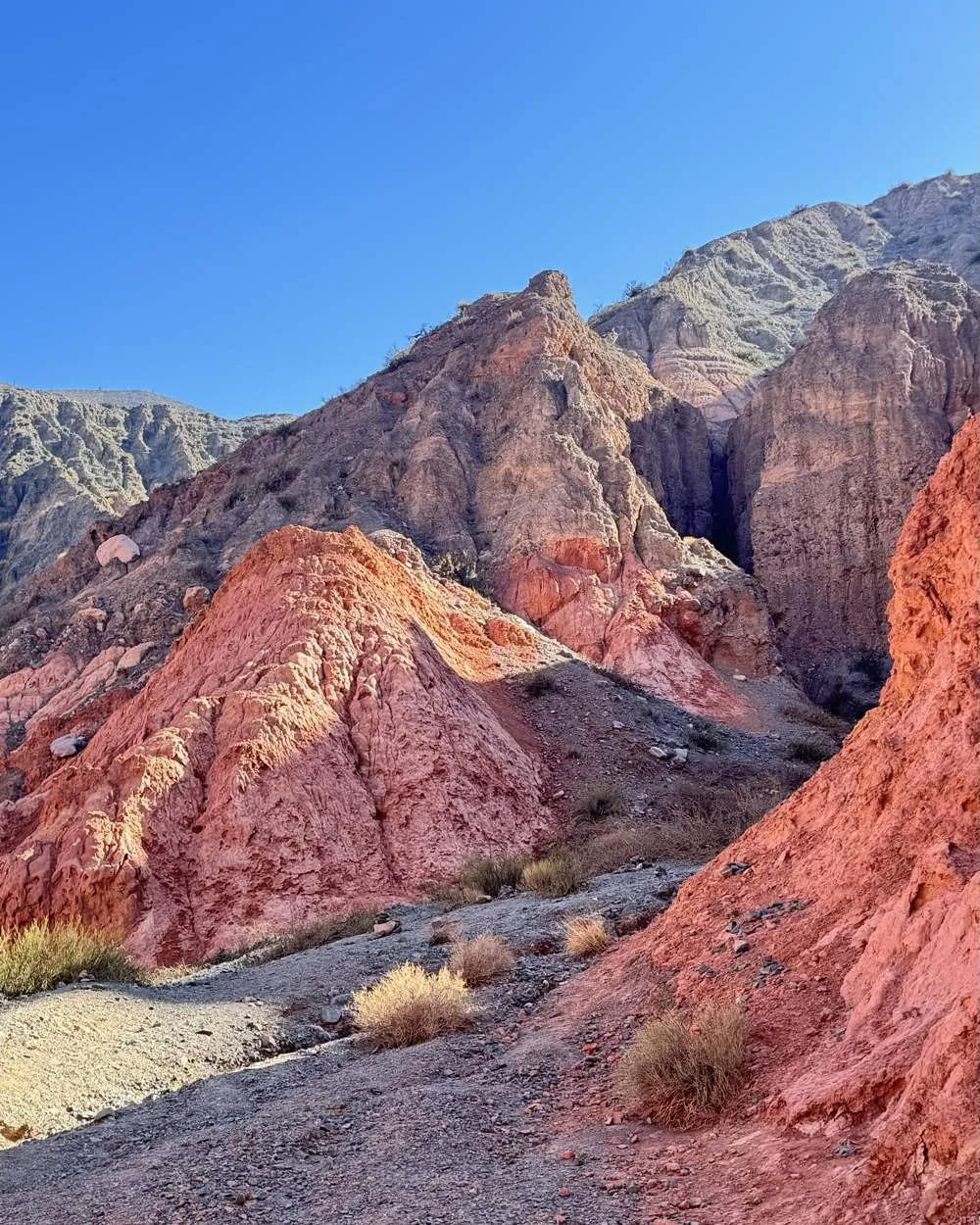
Lithium is no longer just a commodity conversation. It is a strategic industrial input connected to rechargeable batteries, energy storage, electric mobility and the wider electrification of transport and infrastructure. But the opportunity is not limited to lithium. Argentina’s mineral supply chain also includes borates, precious-metal doré, base-metal concentrates, primary aluminium, lime, bentonite and process inputs that support modern industry.
This guide explains what qualified buyers should understand before sourcing lithium carbonate or related minerals from Argentina: how production works, what commercial volumes may look like, which documents matter, how contracts are structured and why a serious supply enquiry must be built around specification, allocation and verification rather than a headline price.
Why lithium has become one of the most important industrial minerals
Lithium has a distinctive role in rechargeable battery systems because of its electrochemical properties and low atomic mass. In practical terms, lithium compounds are used in battery materials that help store and release electrical energy. That connects lithium to electric mobility, stationary energy storage, battery materials, specialised glass and ceramics, and strategic procurement.
The importance of lithium is therefore not only about volume. It is about the ability to deliver the correct chemical grade, impurity profile, particle size, moisture level, packing format and documentation at a commercially usable rhythm.
How lithium is produced in Argentina
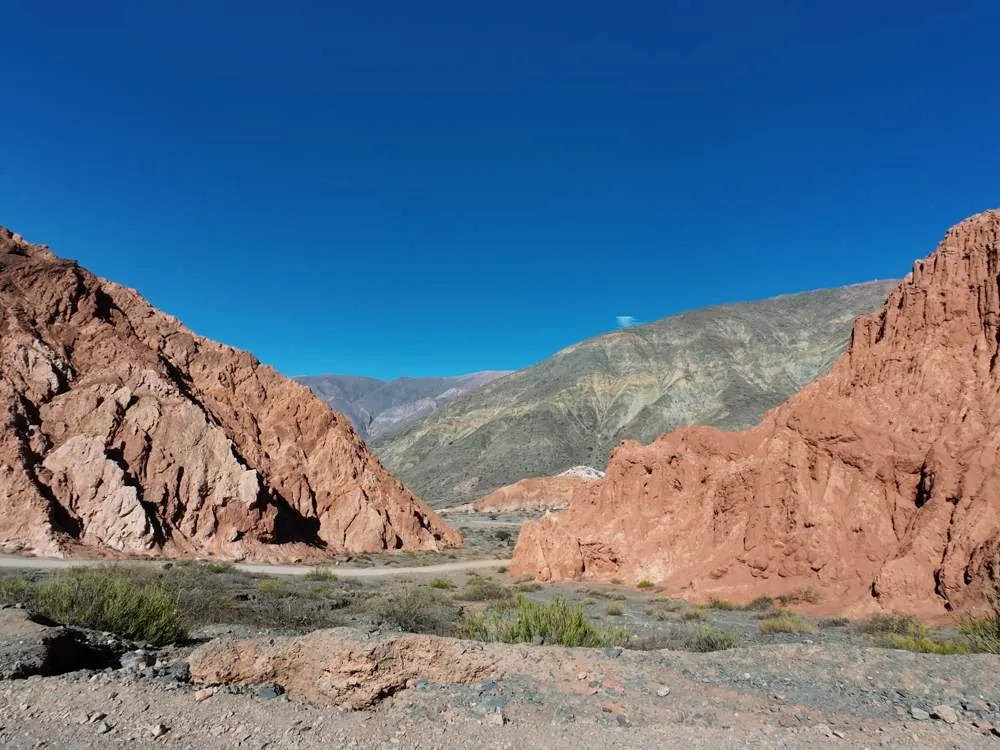
Argentina’s principal lithium route is brine production in the Puna region. Producers pump brine from salt flats, concentrate it through evaporation ponds and refine it into lithium carbonate. The main lithium-producing provinces identified in the source material are Jujuy, Salta and Catamarca.
This production route has commercial implications. The buyer is purchasing a defined chemical product produced through concentration, refining, quality control, packing and export steps. A professional enquiry should ask for the product specification, certificate of analysis, origin information, available allocation, loading plan and inspection process.
Lithium products for industrial buyers
Battery-grade lithium carbonate
The source specification describes a minimum of 99.5% Li₂CO₃ on a dry basis, with controlled limits for key impurities, moisture and magnetic impurities. Reference end uses include LFP and mid-nickel NCM cathode synthesis and LiPF₆ electrolyte salt.
The source commercial model indicates a minimum of 250 tonnes per year, approximately one 20-foot container per month, with 20 tonnes net per container. It describes a 12-month term after buyer qualification. These are commercial reference parameters, not a guarantee of annual capacity.
Technical-grade lithium carbonate
Technical-grade lithium carbonate is positioned for glass and glass-ceramics, ceramic glazes and frits, continuous-casting mould powders and construction chemicals. The source material describes a minimum of 100 tonnes per contract, with a 20-tonne trial lot.
Anhydrous lithium chloride
Anhydrous lithium chloride is described as an industrial-grade, hygroscopic product requiring sealed packing. The source material indicates occasional merchant lots from 16 tonnes, subject to availability.
Beyond lithium: the wider mineral portfolio
- Borates: boric acid, borax decahydrate, borax pentahydrate, ulexite and hydroboracite.
- Precious-metal doré: gold doré and silver doré from licensed producers, subject to due diligence, assay and refinery requirements.
- Base-metal concentrates: lead–silver concentrate and zinc concentrate for qualified smelters and industrial processors.
- Primary aluminium: including P1020A material for manufacturing and extrusion buyers.
- Industrial minerals: quicklime, hydrated lime and sodium bentonite.
- Process inputs: dense soda ash and granulated sulphur.
Commercial minimums and capacity signals
A stated minimum order, container load or annual contract volume is not automatically the same thing as verified producer capacity. The following figures are commercial reference signals from the source material, not unconditional stock or capacity guarantees.
| Product | Reference minimum | Typical structure |
|---|---|---|
| Battery-grade lithium carbonate | 250 t per year | 12-month term; approximately one 20-foot container per month |
| Technical-grade lithium carbonate | 100 t per contract; 20 t trial | 6-month term or trial lot |
| Anhydrous lithium chloride | 16 t lot | Occasional merchant lots |
| Boric acid | Spot from one 20-foot container; term from 100 t/month | Spot, term or forward offtake |
| Borax | 200 t per contract | 6-month term |
| Ulexite and hydroboracite | 1,000 t/year; bulk from 5,000 t | 12-month bulk supply |
| Gold and silver doré | Monthly producer offtake | Licensed producer, refinery and assay process |
| Lead–silver and zinc concentrates | 500 wet metric tonnes per parcel | Parcel contracts |
| Primary aluminium | 500 t per month | 12-month term subject to allocation |
| Quicklime and hydrated lime | 5,000 t per year | 12-month supply |
| Sodium bentonite | 250 t per contract | 6-month term |
| Dense soda ash | 2,000 t per year | 12-month scheduled supply |
| Granulated sulphur | Bulk from 5,000 t; big-bags from 100 t | Per-lot or 12-month supply |
Important: Final allocation, quality, price, delivery, payment and annual capacity must be confirmed with the relevant producer and written into the contract.
What serious buyers should verify before contracting
- Technical specification: grade, impurity limits, particle size, moisture, form and packaging.
- Origin and ownership: producer, plant location, mine or salar origin and ownership information where required.
- Quality evidence: certificate of analysis, representative sample and independent inspection where applicable.
- Export file: origin documents, customs documentation, packing list, weight records and bill of lading.
- Counterparty checks: company registration, beneficial ownership, bank details, sanctions screening and end-use information.
- Contract structure: quantity, quality, delivery, payment, inspection, claims procedure and documents.
Responsible sourcing is a process of evidence, verification, documented counterparties and an auditable transaction trail.
Logistics and delivery basis
We recommend starting with EXW where the buyer wants control over inland transport and freight, and using FOB where seller-side export and port handover are part of the agreed scope. The final basis depends on product, origin, route, port, loading requirements and contract terms.
How to prepare a professional mineral enquiry
- Product and technical grade
- Trial, monthly or annual volume
- End use and buyer profile
- Destination country and delivery port
- Preferred delivery basis, starting with EXW or FOB
- Required certificate of analysis, inspection and origin documents
- Target contract period and payment framework
- Company registration and purchasing contact details
Frequently asked questions
Why is lithium important for global industry?
Lithium is a key input in many rechargeable battery chemistries used in electric mobility, stationary energy storage and other electrification applications. Its importance depends on reliable chemical quality and documented supply.
What lithium products are available for B2B sourcing?
The referenced portfolio includes battery-grade lithium carbonate, technical-grade lithium carbonate and anhydrous lithium chloride. Grade, volume, allocation and final terms require producer confirmation.
Does a commercial minimum prove annual production capacity?
No. A commercial minimum, trial lot or container load is a transaction parameter. Annual capacity must be verified separately through producer allocation, documentation, quality review and contract.
Which minerals are available beyond lithium?
The wider portfolio includes boric acid, borax, ulexite, hydroboracite, gold doré, silver doré, lead–silver concentrate, zinc concentrate, primary aluminium, lime, sodium bentonite, dense soda ash and granulated sulphur.
What delivery terms should an importer request?
EXW is a practical starting point when the buyer controls transport and freight. FOB can be evaluated when export handling and port handover form part of the agreed scope.
How can an industrial buyer request a quotation?
Send the product, grade, target volume, end use, destination, delivery preference, required documents and company profile to info@benjaminsgardens.com or contact the team on WhatsApp.
Start a qualified mineral supply conversation
If you are sourcing lithium carbonate, borates, precious-metal doré, concentrates, aluminium or industrial minerals, send a structured enquiry. Benjamin's Gardens can review the requirement around specification, allocation, documentation and a commercially realistic EXW or FOB pathway.
Request an export quotation · Contact us on WhatsApp · Follow Benjamin's Gardens on Instagram